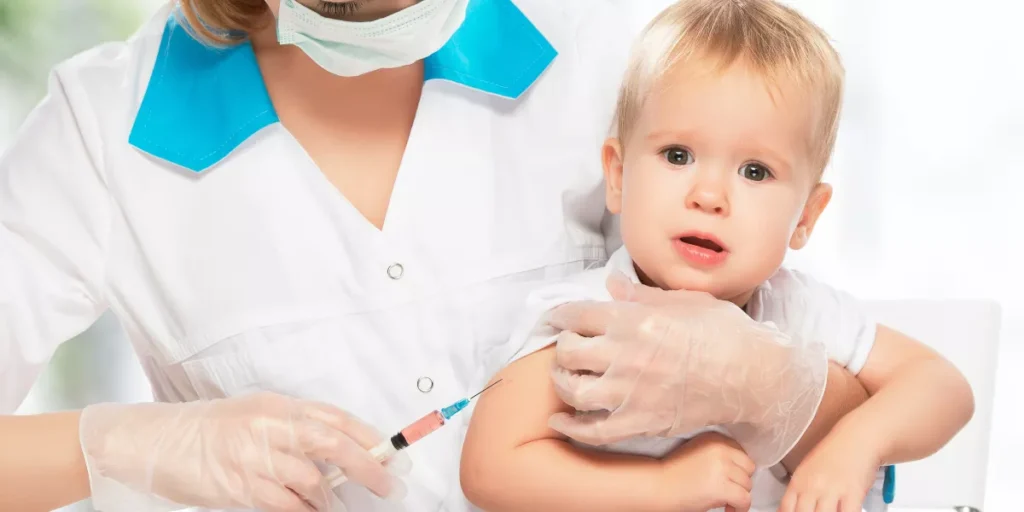
As a parent, you want to ensure your baby receives the necessary vaccinations to safeguard their health. Understanding which vaccines your baby needs and when they need them plays a critical role in protecting them from serious diseases. Knowing the recommended schedule for vaccinations can help you make informed decisions about your child’s health. But what happens if a vaccine is missed or delayed? Stay tuned to discover the importance of catching up on any missed vaccines and how to maintain your baby’s immunity effectively.
Vaccine Schedule for Newborns
When your baby is born, they’ll begin their vaccination schedule to protect against various diseases. The first vaccine typically given is the hepatitis B vaccine, usually administered before leaving the hospital. This vaccine protects against a virus that can cause serious liver disease.
As your baby grows, additional vaccinations will be scheduled to ensure they’re protected from a range of illnesses. These vaccines are crucial in building your baby’s immune system and safeguarding their health.
It is essential to follow the recommended vaccination schedule provided by healthcare professionals. By staying up to date with vaccinations, you aren’t only protecting your child but also helping to prevent the spread of infectious diseases within the community.
Vaccines for Infants at 2 Months
As your baby reaches 2 months of age, the next set of vaccinations will be recommended to continue protecting their health and immunity. At this stage, your little one will typically receive vaccinations against diseases such as diphtheria, tetanus, pertussis (DTaP), Haemophilus influenzae type b (Hib), polio (IPV), pneumococcal disease (PCV), and rotavirus.
The DTaP vaccine helps protect against diphtheria, tetanus, and pertussis, which are serious and potentially life-threatening diseases. The Hib vaccine is crucial in preventing Hib disease, which can cause severe illnesses like meningitis. Polio, a crippling disease, is prevented through the IPV vaccine. PCV vaccination safeguards your baby against pneumococcal disease, including pneumonia and meningitis. Additionally, the rotavirus vaccine shields your baby from a highly contagious virus that can cause severe diarrhea and dehydration.
It’s essential to follow the recommended vaccination schedule to ensure your baby is protected from these preventable diseases. By staying up to date with vaccinations, you aren’t only safeguarding your child’s health but also contributing to the overall community immunity.
Recommended Vaccinations at 6 Months
By the time your baby reaches 6 months, they’re due for the next round of recommended vaccinations to further bolster their immunity. At this age, the vaccinations typically include doses to protect against various diseases. The vaccines recommended for 6-month-old babies usually include DTaP (diphtheria, tetanus, and pertussis), Hib (haemophilus influenzae type b), IPV (polio), PCV (pneumococcal conjugate), and Rotavirus vaccines.
The DTaP vaccine helps protect against diphtheria, tetanus, and pertussis, which are serious bacterial infections. The Hib vaccine prevents infections caused by the haemophilus influenzae type b bacteria, which can lead to conditions like meningitis. IPV vaccine guards against polio, a highly infectious disease that can cause paralysis. The PCV vaccine protects against pneumococcal diseases, including pneumonia and meningitis. Lastly, the Rotavirus vaccine shields against a virus that can cause severe diarrhea and dehydration in infants.
Ensuring your baby receives these vaccinations at 6 months is crucial in providing them with the best possible protection against these potentially harmful diseases.
Catching Up on Missed Vaccines
To ensure your child’s immunity remains strong, it’s important to address any missed vaccines promptly. If your baby has missed any vaccinations according to the recommended schedule, don’t worry; you can catch up to ensure they receive the necessary protection. Consult your pediatrician to create a catch-up vaccination plan tailored to your child’s needs. This plan will consider the vaccines your baby has missed and the appropriate timing for administering them.
Catching up on missed vaccines is crucial because it helps protect your child from potentially serious diseases. By following the catch-up schedule, you can boost your baby’s immunity and reduce the risk of infections. Remember that vaccines are designed to provide long-term protection, so even if your child misses a dose, it’s not too late to get back on track.
Stay proactive about your child’s immunization status and work with your healthcare provider to ensure they receive all the necessary vaccines. By catching up on missed vaccines, you’re taking a proactive step in safeguarding your child’s health and well-being.
Trending Products