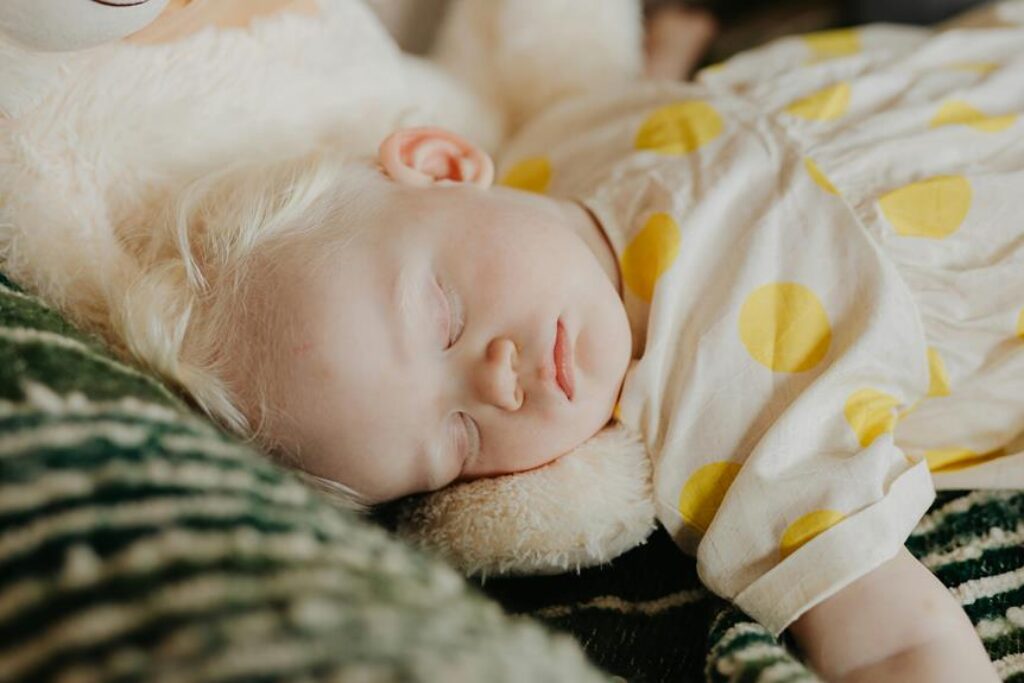
When it comes to dressing your baby for sleep, ensuring their comfort is key. But how can you strike the perfect balance between warmth and breathability? By considering factors like fabric choice, room temperature, and layering techniques, you can create an optimal sleep environment for your little one. So, what are some practical tips to keep in mind when dressing your baby for bedtime? Let’s explore some strategies that can help you navigate this delicate balance and promote a peaceful night’s rest for your baby.
Choosing the Right Fabrics
When dressing your baby for sleep, opt for soft, breathable fabrics to ensure comfort throughout the night. Fabrics like cotton, bamboo, and jersey knit are gentle on your baby’s delicate skin and help regulate their body temperature. These materials allow air to circulate, preventing overheating and ensuring a cozy sleep environment. Avoid synthetic fabrics like polyester, as they can trap heat and moisture, making your baby uncomfortable and restless.
Choosing the right fabrics is crucial for your baby’s quality of sleep. Soft textures like cotton provide a soothing sensation against their skin, promoting relaxation and better rest. Additionally, breathable fabrics reduce the risk of skin irritation and allergies, keeping your little one comfortable all night long. Remember to wash all new clothes before dressing your baby to remove any potential irritants from the fabric.
Layering for Optimal Comfort
For optimal comfort during sleep, consider layering your baby’s clothing to easily adjust for changes in temperature throughout the night. Layering allows you to add or remove pieces as needed, ensuring that your little one stays cozy without overheating. Start with a snug-fitting base layer, such as a onesie or bodysuit, made from a breathable fabric like cotton. This will help wick away moisture and keep your baby comfortable.
On top of the base layer, add a long-sleeved shirt and pants to provide an extra layer of warmth. If the room is particularly cold, consider adding a soft, lightweight sweater or sleep sack for added insulation. Remember to check your baby’s neck or back to ensure they aren’t too hot or too cold.
Avoid overdressing your baby, as this can increase the risk of overheating and discomfort during the night. By layering your baby’s clothing appropriately, you can help them maintain a comfortable body temperature for a restful night’s sleep.
Considering Room Temperature
To ensure your baby stays comfortable while sleeping, it’s important to consider the room temperature. The ideal room temperature for a baby’s sleep environment is between 68-72°F (20-22°C). It’s crucial to keep the room comfortably cool to prevent your baby from overheating. Use a thermometer to monitor the temperature regularly, especially during different seasons when temperature fluctuations are common.
In colder weather, you can add layers to your baby’s sleep attire or use a sleep sack to provide warmth without the need for loose blankets. On the other hand, during warmer months, opt for lighter sleepwear to help your baby stay cool and comfortable. Remember that overheating can increase the risk of Sudden Infant Death Syndrome (SIDS), so it’s essential to maintain a comfortable sleep environment.
Dressing Your Baby for Sleep Success
Consider the appropriate clothing layers for your baby to ensure optimal comfort and safety during sleep.
When dressing your baby for bedtime, it’s essential to choose clothing that will keep them cozy without overheating. Start with a breathable onesie as a base layer. Depending on the room temperature, you can add a lightweight sleeper or a sleep sack to provide an extra layer of warmth.
Avoid overdressing your baby, as this can lead to discomfort and disrupted sleep. Opt for fabrics like cotton that are soft and gentle on your baby’s skin. Remember to check your baby’s neck and back to ensure they aren’t too hot or too cold.
Trending Products