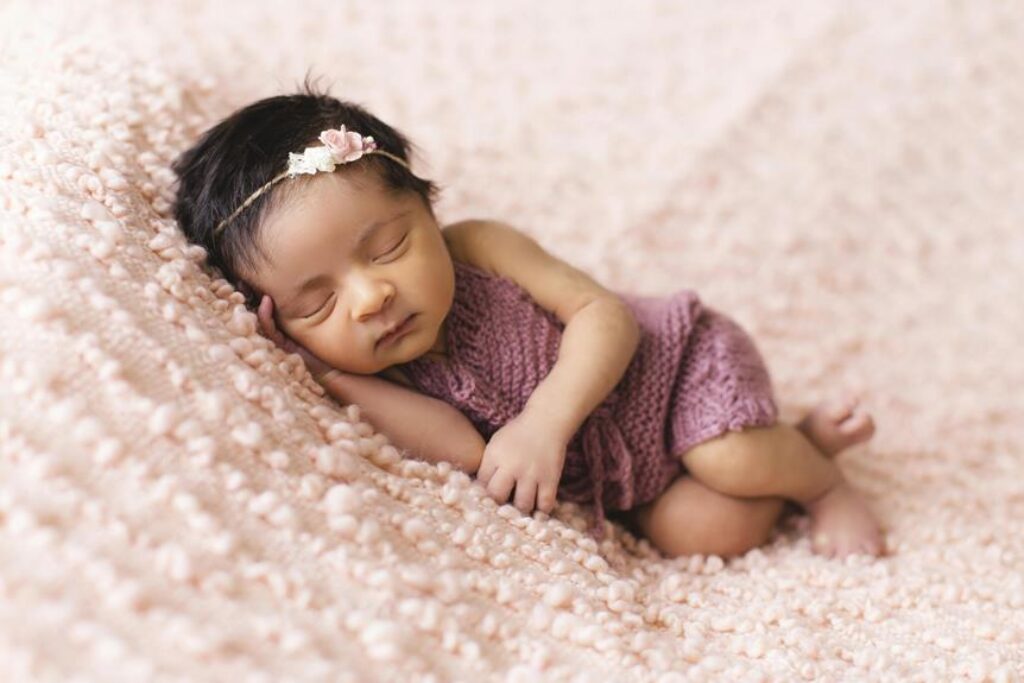
When dressing your baby for sleep, ensuring they are both comfortable and safe is paramount. The choice of sleepwear and fabrics can significantly impact their rest. But have you considered how the room temperature plays a crucial role in what your baby should wear to bed? There’s more to explore in creating the ideal sleep environment for your little one.
Sleepwear Options
When choosing sleepwear for your baby, prioritize comfort over style. Your baby’s sleep is crucial for their growth and development, so selecting cozy sleepwear is essential. Opt for soft, breathable fabrics that will keep your little one comfortable throughout the night. Look for sleepwear that fits well, allowing your baby to move freely without any restrictions. Avoid sleepwear with rough seams or tight elastic bands that could cause irritation or discomfort.
Consider the temperature of your baby’s sleep environment when choosing sleepwear. In warmer weather, lightweight cotton pajamas or a onesie may be all they need. For colder nights, opt for footed pajamas or a sleep sack to keep them warm and snug. Remember to avoid overdressing your baby, as overheating can be dangerous.
When it comes to sleepwear, safety should always be a top priority. Choose sleepwear that’s flame-resistant and fits snugly to reduce the risk of suffocation. Avoid any loose accessories or items that could pose a choking hazard. By prioritizing comfort and safety when selecting sleepwear for your baby, you can help ensure they’ve a peaceful night’s sleep.
Choosing the Right Fabrics
For optimal comfort and safety in your baby’s sleepwear, carefully select fabrics that are soft and breathable. Soft fabrics like cotton, bamboo, or blends of these materials are gentle on your baby’s delicate skin. These fabrics allow for better air circulation, helping to regulate your baby’s body temperature during sleep. Avoid rough or scratchy fabrics that could irritate your baby’s skin or cause discomfort.
When choosing sleepwear for your baby, consider the season and room temperature. In warmer months, lightweight and breathable fabrics like cotton are ideal to prevent overheating. For colder nights, opt for slightly heavier fabrics or consider layering to keep your baby warm without overheating.
It’s essential to check the labels when purchasing sleepwear for your baby. Look for fabrics that are labeled as flame-resistant to ensure an added layer of safety. Additionally, washing the sleepwear before your baby wears it can help soften the fabric and remove any potential irritants. By selecting the right fabrics, you can help ensure that your baby sleeps comfortably and safely.
Layering for Comfort
To ensure your baby stays comfortably warm without overheating during sleep, consider layering their sleepwear with lightweight fabrics for added comfort. Layering allows you to easily adjust your baby’s clothing based on the room temperature. Start with a breathable cotton onesie as the base layer. Cotton is a soft and gentle fabric that helps regulate your baby’s body temperature.
Over the onesie, you can add a cozy footed pajama or a sleep sack made of a lightweight material like bamboo or muslin. These fabrics are breathable and moisture-wicking, keeping your baby comfortable throughout the night.
Avoid overdressing your baby, as overheating can increase the risk of Sudden Infant Death Syndrome (SIDS). Feel your baby’s neck or back to check if they’re too hot or too cold. If your baby feels sweaty or their skin is hot to the touch, remove a layer to help them cool down.
Safety Considerations
Wondering how to ensure your baby sleeps safely? When dressing your baby for sleep, safety should be a top priority. To promote safe sleep, it’s important to choose sleepwear that fits properly to reduce the risk of suffocation. Opt for garments that are snug but not too tight, ensuring that your baby can move comfortably without any excess fabric that could cover their face. Avoid using clothing with strings or ties that could pose a strangulation hazard. Additionally, consider the temperature of the room and dress your baby accordingly to prevent overheating or getting too cold during the night.
Another safety consideration is to avoid using loose blankets, pillows, or stuffed animals in the crib to reduce the risk of Sudden Infant Death Syndrome (SIDS). Instead, consider using a sleep sack or wearable blanket to keep your baby warm without the need for loose bedding. Always place your baby on their back to sleep to further reduce the risk of SIDS.
Trending Products